
Intonation in English: A Guide to Effective Communication
In the symphony of conversation, intonation acts as the conductor, orchestrating the melody of meaning through the rise and fall of your voice.
Much like a musician wielding their instrument, mastering intonation can transform your communication from mere words into a harmonious exchange of ideas.
Let's explore the intricacies of intonation to unveil its profound impact on effective communication.

The Melodic Dynamics of Intonation
Intonation isn't just about the pitch of your voice; it's about how you use it to shape your message. Each rise and fall, every subtle emphasis, adds depth and nuance to your words, allowing you to convey feelings, intentions, and nuances that mere text could never capture. Let's dissect the rules governing intonation to understand its profound significance.
1. Asking Questions: The Rise and Fall of Inquiry
When posing yes-or-no questions, your voice ascends at the end of the sentence, inviting a response. For instance, "Are you going out tonight?" elicits a rising intonation, indicating the query. Conversely, for more complex questions, where information is sought, your voice falls at the end, signaling the completion of the inquiry. Consider, "What time does the shop close?" where the falling intonation denotes the question's closure.
2. Making Statements: Declaring with Authority
Statements, the backbone of communication, often conclude with a confident fall in intonation, affirming the presented information. "I've been studying English for ten years," carries a decisive tone, emphasizing the speaker's commitment to learning. Similarly, "It is probably going to rain at the weekend," delivers a factual statement with a conclusive intonation, leaving no room for doubt.
3. Listing Things: Ascending Towards Enumeration
When listing items, your voice rises with each mention until the final item, where it gracefully descends to denote completion. "I love chocolate, strawberry, and pistachio ice cream," illustrates this pattern, with each flavor receiving a rising intonation until the last, signaling the list's conclusion.
4. Expressing Feelings: Riding the Waves of Emotion
Intonation becomes a vessel for emotions, with high-energy feelings like happiness or excitement often accompanied by a rising intonation. "I am so happy that you passed your exam!" exudes joy with its ascending tone. Conversely, boredom or sarcasm adopts a falling intonation, as seen in, "What a boring day," where the lacklustre sentiment is accentuated by the downward pitch.
5. Stressing Importance: Elevating Significance
Emphasizing specific words within a sentence involves employing a rising intonation to highlight their importance. "I hope you got the red scarf," places emphasis on the color, suggesting its significance in the speaker's context.
6. Contrasting Between Things: Highlighting Differences
To accentuate contrasts between elements, utilize a rising intonation while stressing the two items being compared. "People from the north of England are often friendlier than people in the South," underscores the distinction between regional behaviors.
Mastering the Symphony of Intonation
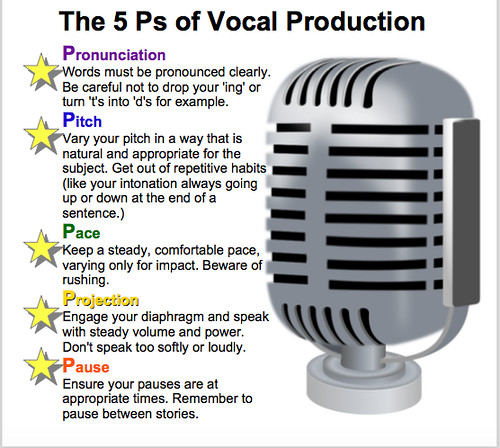
Practicing intonation involves exploring its myriad possibilities, from utilizing pitch detectors to recording and analyzing your speech. Experimentation is key, as you play with pitch, stress, and emphasis to hone your intonation skills.
Unlocking the Tonal Secrets
In English intonation, the tonic syllable serves as the focal point, dictating the sentence's stress and intonation pattern. By identifying the tonic syllable, typically the last important word, you can navigate the melodic landscape of communication with precision.
Harmonizing Tone for Clarity
Experiment with different tones to accurately convey varied meanings within sentences. Whether authoritative, pensive, or inquisitive, adjusting your tone can profoundly impact how your message is received.
In Conclusion
Intonation isn't just about how you say something; it's about how you express yourself, infusing your words with meaning, emotion, and intent. By mastering the art of intonation, you unlock a world of possibilities in communication, where every rise and fall carries the melody of understanding and connection.