
Exploring the Differences between Classic Received Pronunciation and Modern RP
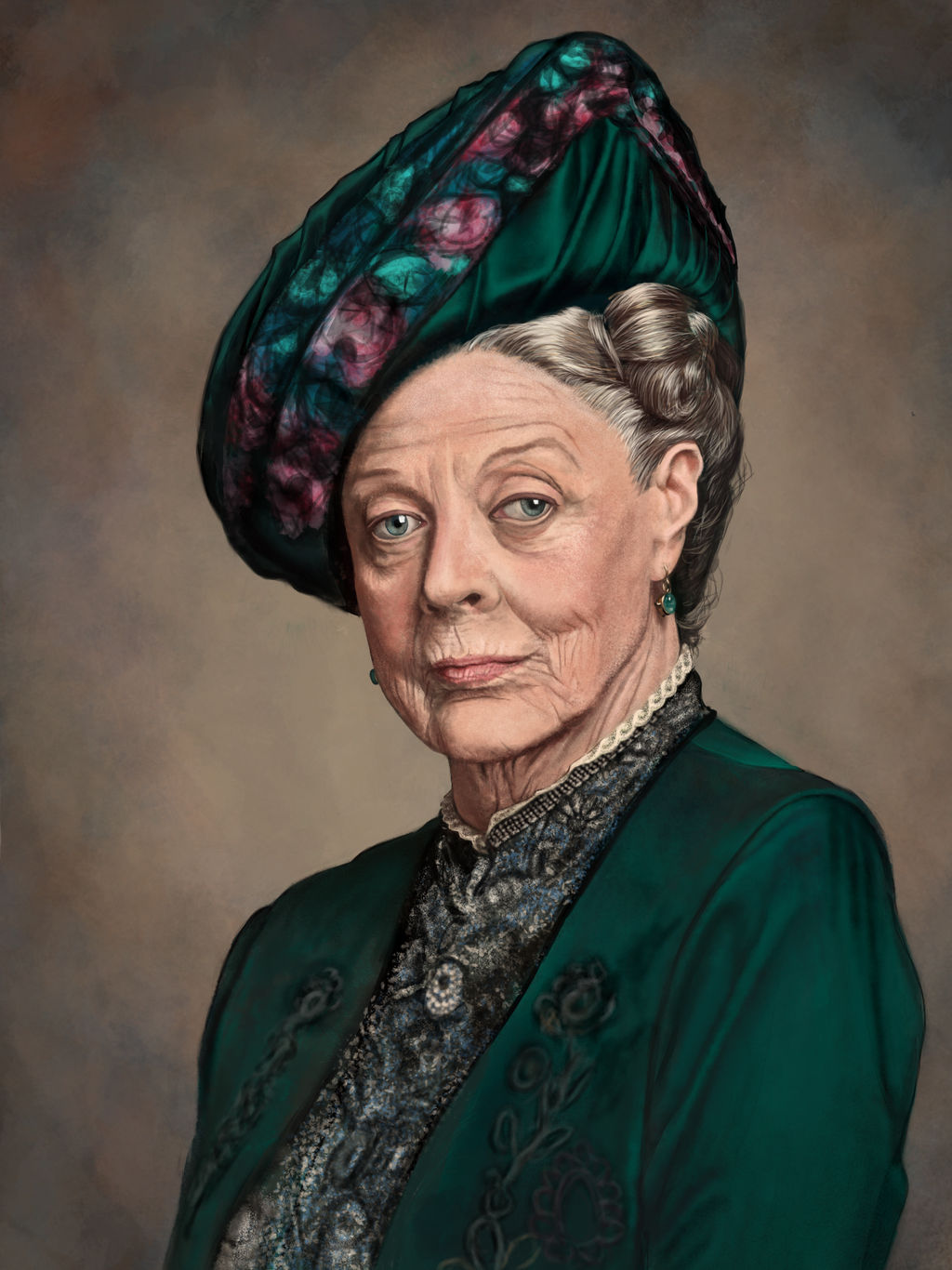
Today we are looking at the accent everyone thinks of as typically British. It’s called Received Pronunciation or ‘RP’. People also call this accent, “BBC English” or “The Queen’s English”. However, RP is not just about posh sounding people. Nowadays anyone can speak with an RP accent but it is more of a modern RP accent also known as ‘Standard Southern British’ and so you don’t have to sound like the King! But before we explain how the accent has changed, let’s explain some of the features of the classic RP accent. You will still hear it of course on British TV shows like Downton Abbey and The Crown as well as from some older members of the British parliament and on the BBC. Also, a slightly more relaxed form of it is spoken still by presenters, and on TV shows such as ‘Made in Chelsea’.
The video guide to these accents can be found here:
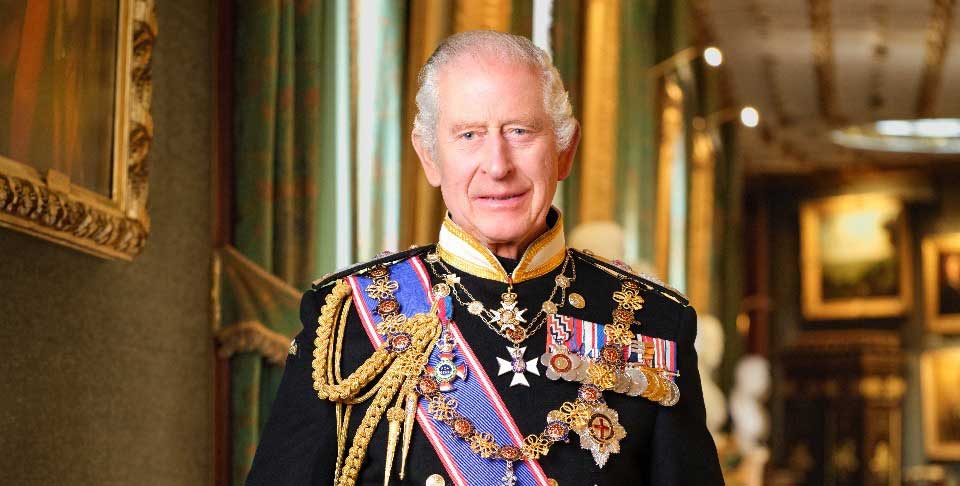
If you want to hear some examples of it today then these people are all a good place to start, Dame Judy Dench, Felicity Kendal, Joanna Lumley, Jacob Reese Mogg, Prunella Scales, and King Charles. Even within their accents however there may be slight variation as there are 3 types of classic RP accent that we can categorize. The first is ‘Traditional RP’ (this is the most generic RP accent and very BBC), the next is ‘The Military and the Landed Gentry’. This is more the accent of the aristocracy and military but more from the 1920s onwards, this was the late Queen’s accent, most of the older members of the Royal family, and narrators such as David Attenborough. Then we have the ‘Sloane Rangers’, this is characterized by a generation of young and wealthy Londoners, frequenting salubrious places such as Chelsea, who had grown up listening to the BBC but had relaxed some of the vowel sounds slightly. Diana Princess of Wales’s accent could be described in this way, and actors such as Liz Hurley, Kristin Scott Thomas, Richard E. Grant and Hugh Grant would come into that category. So let’s dive into this plummy old classic and survey its quirks and charms.
Features of classic RP
1. /ɪə/ diphthong blends with /eə/
Some of the diphthongs are pronounced slightly differently with classic RP such as the /ɪə/ diphthong sound found in ‘career’ and ‘fear’, blending with the diphthong found in square and bear /eə/ . This makes the difference between ‘really’ and ‘rarely’ quite small in this accent. So if you want to try and say words with this accent, try and flatten the /ɪə/ into a sound that is more like ‘air’ and ‘sqaure’. Think about how Jacob Reese Mogg and Prince Charles would say ‘here’ , ‘I will be there in a yarr’.
2. /ʊə/ diphthong used in the classic way
A diphthong is when two vowel sounds come together in one syllable like in ‘bear’ or ‘eye’. This /ʊə/ diphthong sound in ‘cure’ and ‘pure’ in many words now has been replaced with the long orr monopthong /ɔː/ found in horse and bought. So for many of us in the UK, ‘cure’ and ‘more’ sound the same. But in traditional RP the diphthong should have the two distinct elements. It would sound like ‘ooher’. So tourist / tʊərɪst/ would be toouurist, and cure would be cooure.
We do still need to use this diphthong in some words however such as pure otherwise ‘pure ‘and ‘poor’ would sound the same. However, it is much less classically pronounced and blends with the long orrr more instead, so more, sure during, tourist all have a sound now which is much more like /ɔː/ in bought, horse and taught.
3. Vowel clipping in Classic RP
The /e/ vowel found in dress and ‘egg’ and ‘friend’ moves up into the territory of the /I/ vowel found in ‘kit’ and ‘fit’. So when you say the word dress it will sound more like ‘driss’. It of course sounds quite comical today! You need to bring your mouth in more tightly to make your accent sound more like modern RP on those vowels. Don’t drop your jaw as much and send the sound out from the back of your throat more.
Modern RP accent
So, moving on to the modern RP accent which is good to learn as this is the pronunciation that is used when you look at the pronunciation guides in British Dictionaries. This is because it is seen as being “regionally neutral” within the UK and so it is considered to be an easy accent to understand.It is a slightly softer and less exaggerated version of the classic RP. There is no vowel clipping in modern RP and the above vowel changes do not happen. This accent quite strictly follows the current Oxford and Cambridge dictionary guides. Media personalities with this accent include many presenters on the BBC, Emily Blunt, Daniel Radcliffe, Emma Watson, Rosamund Pyke, and many politicians. These are some of the most important features to take on when you are doing a modern RP accent:
1. Long /a:/ sound
In a lot of regional accents in the UK, the vowel sound in words such as ‘grass’, ‘bath’, ‘glass’, ‘laugh’ etc is shortened to /æ/.). The shortened version of /æ/ is predominantly used in the north of England. This is known as the ‘trap/bath’ split. In the south of England those words have different sounds – ‘bath’ having the long vowel /a:/ and ‘trap’ having the short vowel /æ/, but in most northern accents they would both be said with /æ/. In modern RP and classic RP the long /a:/ sound is in full swing and you can really go to town on it if you are imitating a classic RP accent. Drop your jaw and make space for this long vowel sound to come out and really enjoy how free and loose it sounds. It would have been considered much more refined to say long ‘ahh’ when classic RP was considered the proper way to speak. Try saying:
‘The gentleman took the wrong path to the giraffes in the safari park’. ‘My father was a task master from Bath’.
2. Never dropping /h/ at the beginning of words.
Spoken English all over the world has become quite lax as the language is of course always evolving. However, one of the common features of both modern and classic RP is deliberately pronouncing the ‘breathy” /h/ at the beginning of words. You would want to say, ‘Have you gone on holiday recently’ instead of’ ‘ave you gone on ‘oliday recently’. The latter sounds much more cockney, Essex or scouse. Try saying these phrases and really enunciating the h:
‘I happen to have a rather heavy hat that I bought in Harrods’.
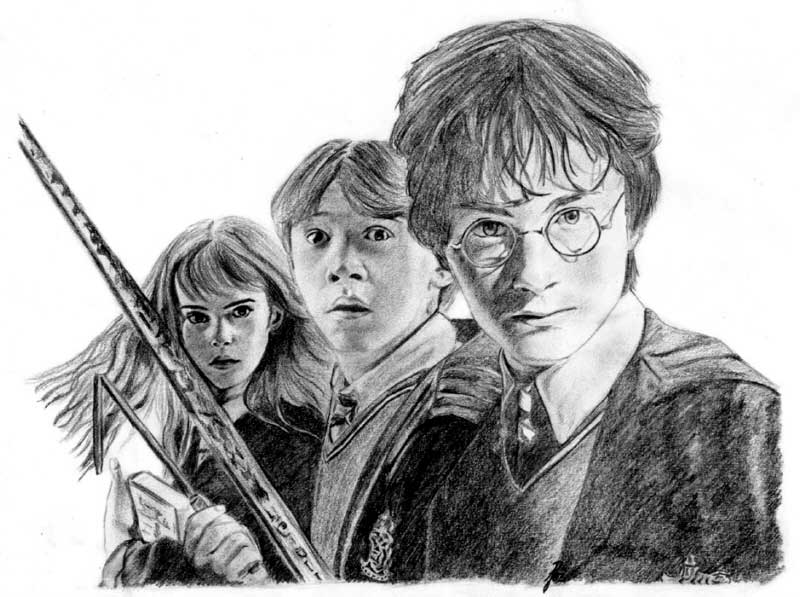
‘Hermione helped me with my homework’.
‘Hundreds of huge helicopters arrived in Heathrow’.
3. Don’t use Glottal Stops in the middle of words!
Pronounce your /t/ sounds in the middle of words such as ‘bottle’, ‘better’ and ‘water’. It has become quite normal in some regional accents to drop ts in the middle of words and use a glottal stop. This is a slight pause in the middle of the word, where we close our glottis in our throats, which for a split second stops the flow of air. So, water become ‘wa’er’, scooter becomes ‘scoo’er’ etc. Watch the singer Adele talk if you want to see this in action. However, in both versions of RP this would be a big no no!
You SHOULD say your ts in the middle of words. In modern RP you can use the glottal stop on ts at the end of words where the next word starts with a stronger consonant than t, such as ‘las’ night’ and ‘pe’ cat’. There are also some words in modern RP which do accept the glottal stop in the middle of words but these are very rare. Examples of these would be ‘Sco’land’ and ‘foo’ball’. On the whole, however you need to enunciate your ts in this accent. Try these phrases:
My boyfriend is getting fatter every minute.
Can you get me a bottle of water?
Betty Bought a better bit of butter.
4. Elongating long /əʊ/ diphthong in ‘phone’
This perhaps is one for those who want to sound posher, but modern RP does typically lengthen the /əʊ/ sound in words. This sound appears in words such as ‘goat’, ‘throat’ ‘remote’, ‘boat’ ‘dote’ etc. To make sure you are making the right sound start with your jaw relaxed and lowered, and bring the jaw upwards so that the lips almost meet each other and go slightly forward. Do it slowly so that the sound is long and send the sound out from about the middle of the throat, the resonance is quite low. Try practising these sentences :
I am in the phone free zone.
The boat was on loan from a man in Rome.
The comb won’t float.
5. Pronunciation of /ŋ/ at the end of words
More and more it is common for people to pronounce words ending in “ing” as though they ended in “in”. Although there is no hard /g/ sound pronounced with “ing”, speaking in both forms of RP means you must pronounce the /ŋ/ sound properly. Practise these:
a. Singing not “singin’”
b. Eating, not “eatin’”
c. Talking, not ‘talkin’
d. Working not ‘workin’